
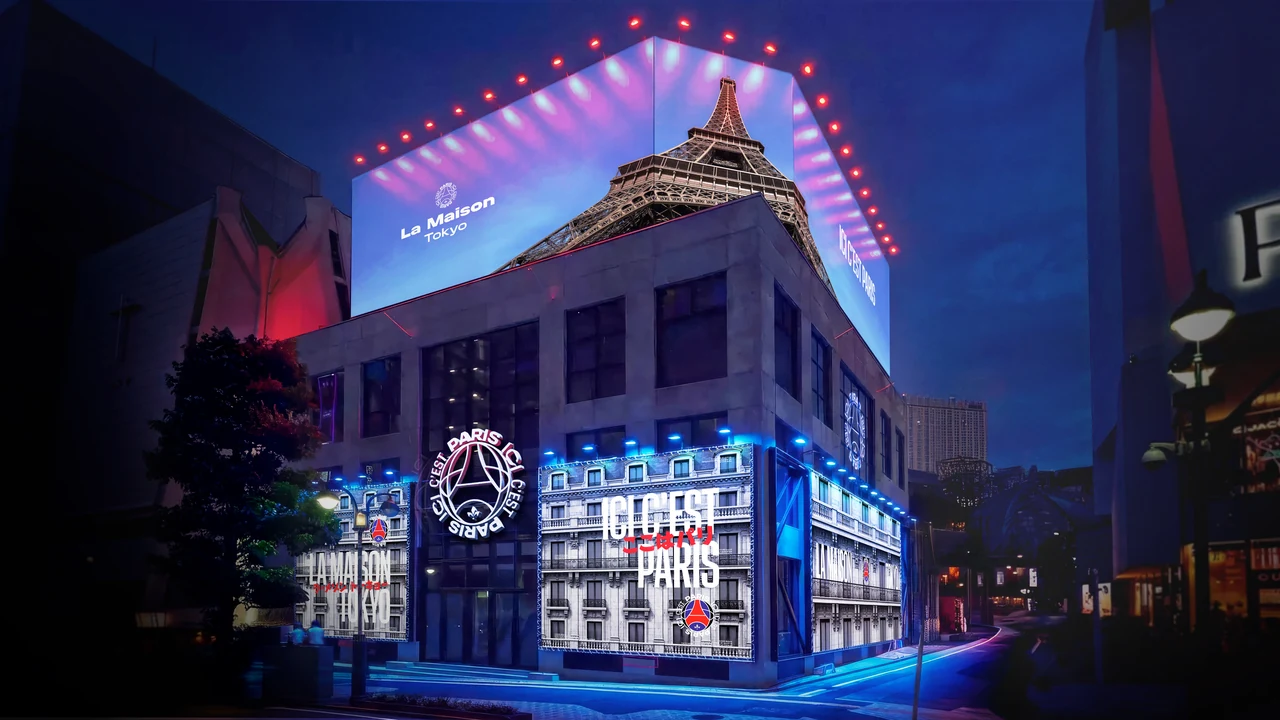
LEGASEE is pleased to announce that it has signed an agreement to supply traditional crafts and cultural products for ICI C’EST PARIS LA MAISON TOKYO, an event hosted in Japan by Paris Saint-Germain (PSG), opening on May 2, 2026 at MEDIA DEPARTMENT TOKYO in Shibuya.
Under this agreement, LEGASEE will work with makers and workshops to supply traditional crafts for the venue’s spatial design and guest experiences. We will present the aesthetics, material qualities and grace of use embodied in Japanese handcraft within an international experience.

Background to the agreement
LEGASEE sees craft as more than a product. Its value encompasses the maker’s ideas and skills, the culture rooted in its place of origin, and the situations in which it is used.
ICI C’EST PARIS, hosted by PSG in Japan, brings the culture and lifestyle of Paris to life through spaces and experiences. LEGASEE believes that the vessels and tools guests touch, and the craft objects placed throughout such a venue, are essential elements that shape the quality of the experience itself.
Building on these shared values, LEGASEE will supply traditional crafts created together with makers and workshops, sharing the aesthetics of Japanese craft and its value in contemporary experiences with audiences in Japan and abroad.
Key traditional crafts to be supplied
All the craft objects supplied for this event have been created by LEGASEE in collaboration with makers and workshops. Respecting traditional techniques, we have reinterpreted them for contemporary spaces and dining experiences.
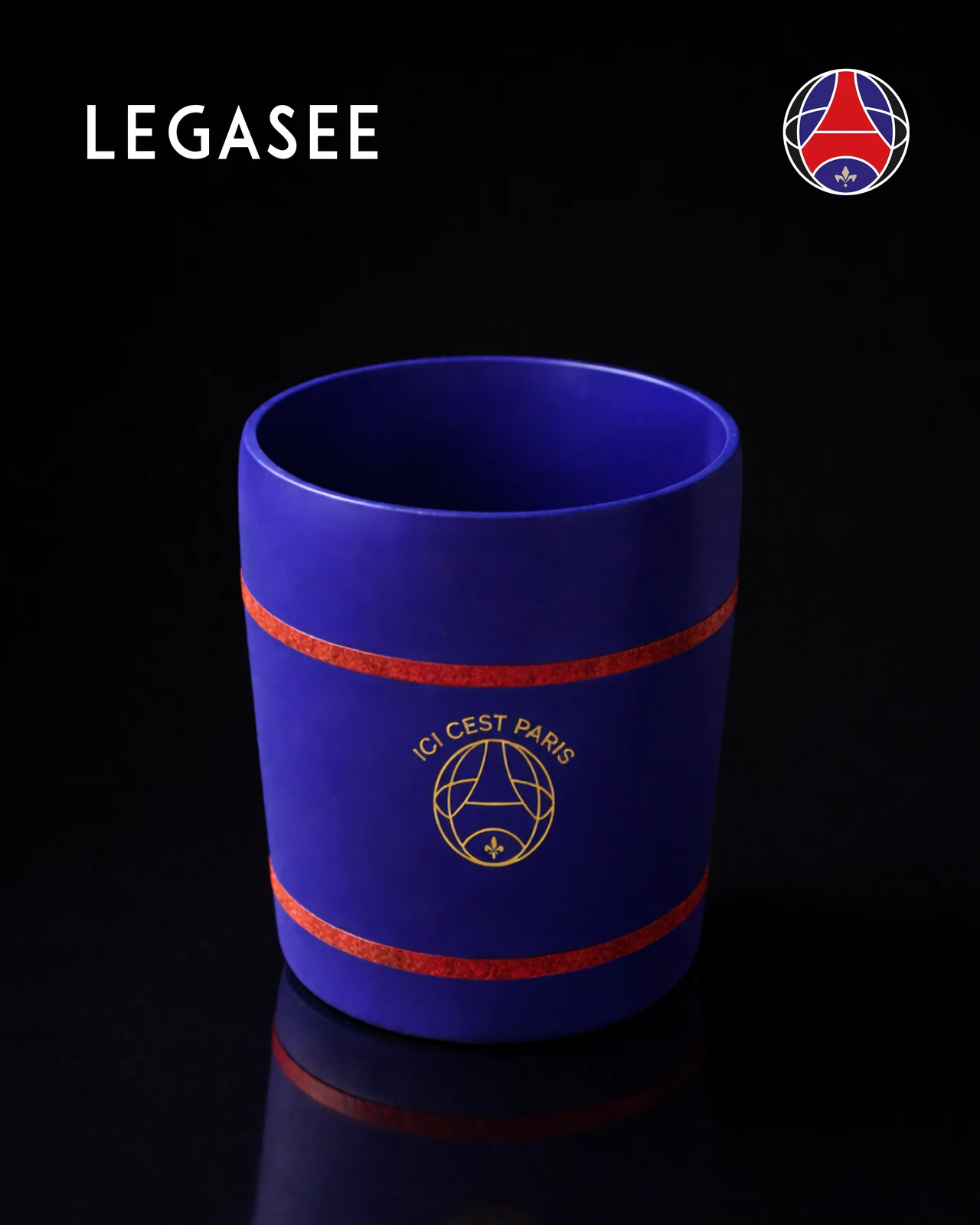
■ Wine cooler
Images are illustrative. Colors and designs may be subject to change.
Drawing on Kiso lacquerware techniques, LEGASEE created this wine cooler with Ishimoto Shikki Shop and Yusuke Iwahara of MISOLA URUSHI arts and crafts Company. The depth of its lacquer finish and its quiet presence lend refinement to a space, bringing a distinctly Japanese aesthetic to hospitality.
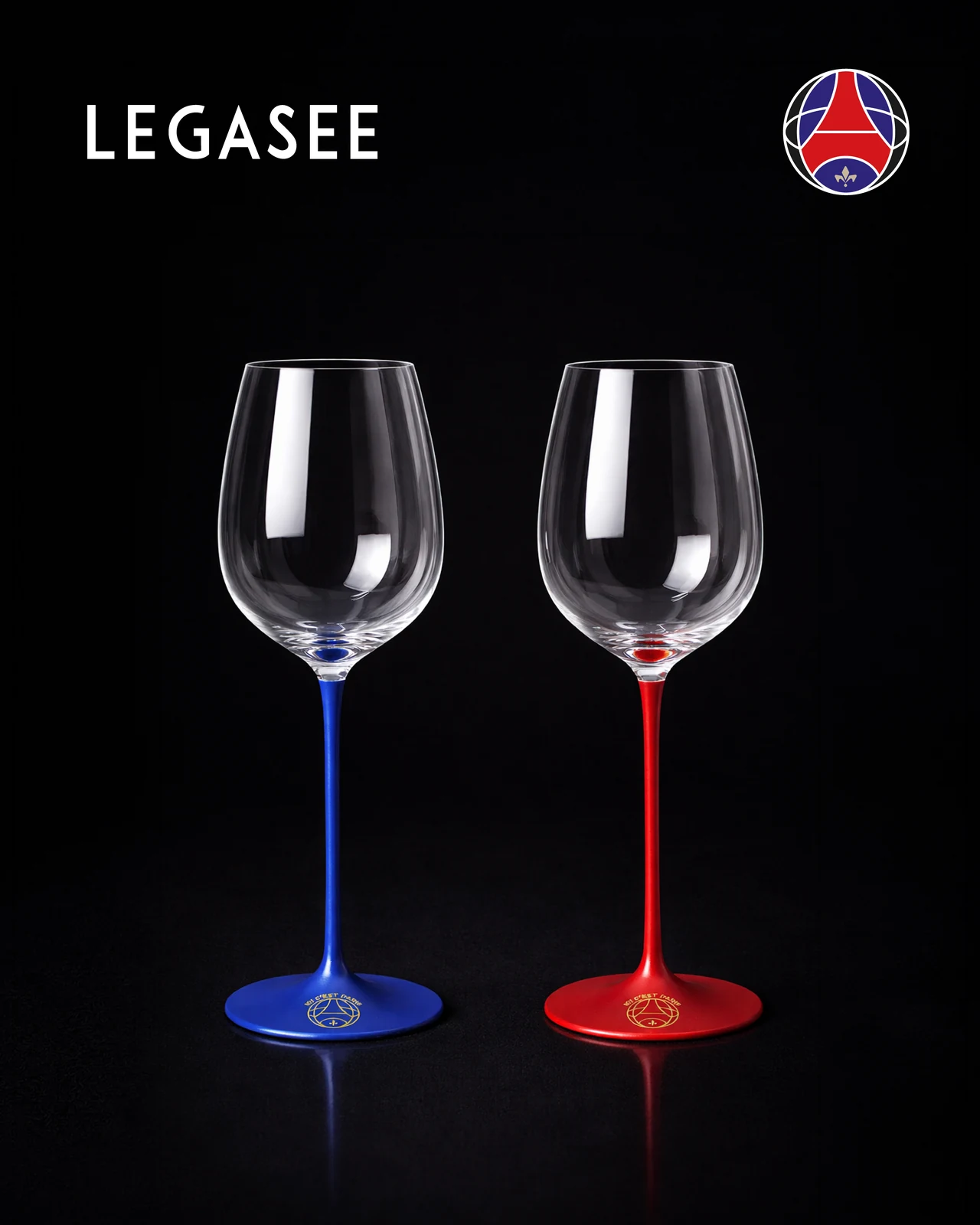
■ Wine glass
Images are illustrative. Colors and designs may be subject to change.
LEGASEE created this wine glass with Kiso lacquerware workshop Maruyoshi Kosaka. Combining a vessel associated with Western wine culture with the distinctive texture and delicate presence of Japanese lacquer, it is designed for a setting where cultures meet.
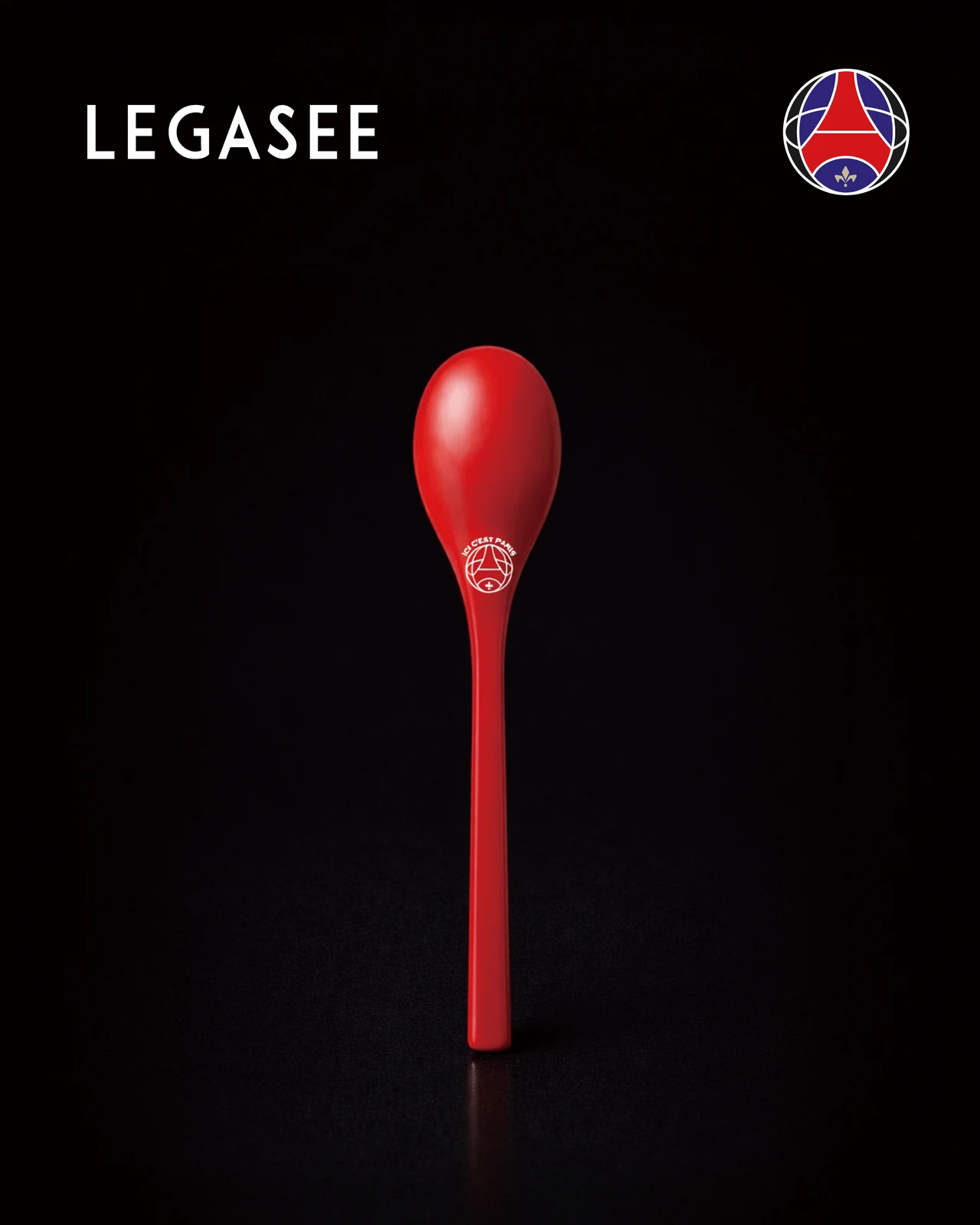
■ Spoons and chopsticks
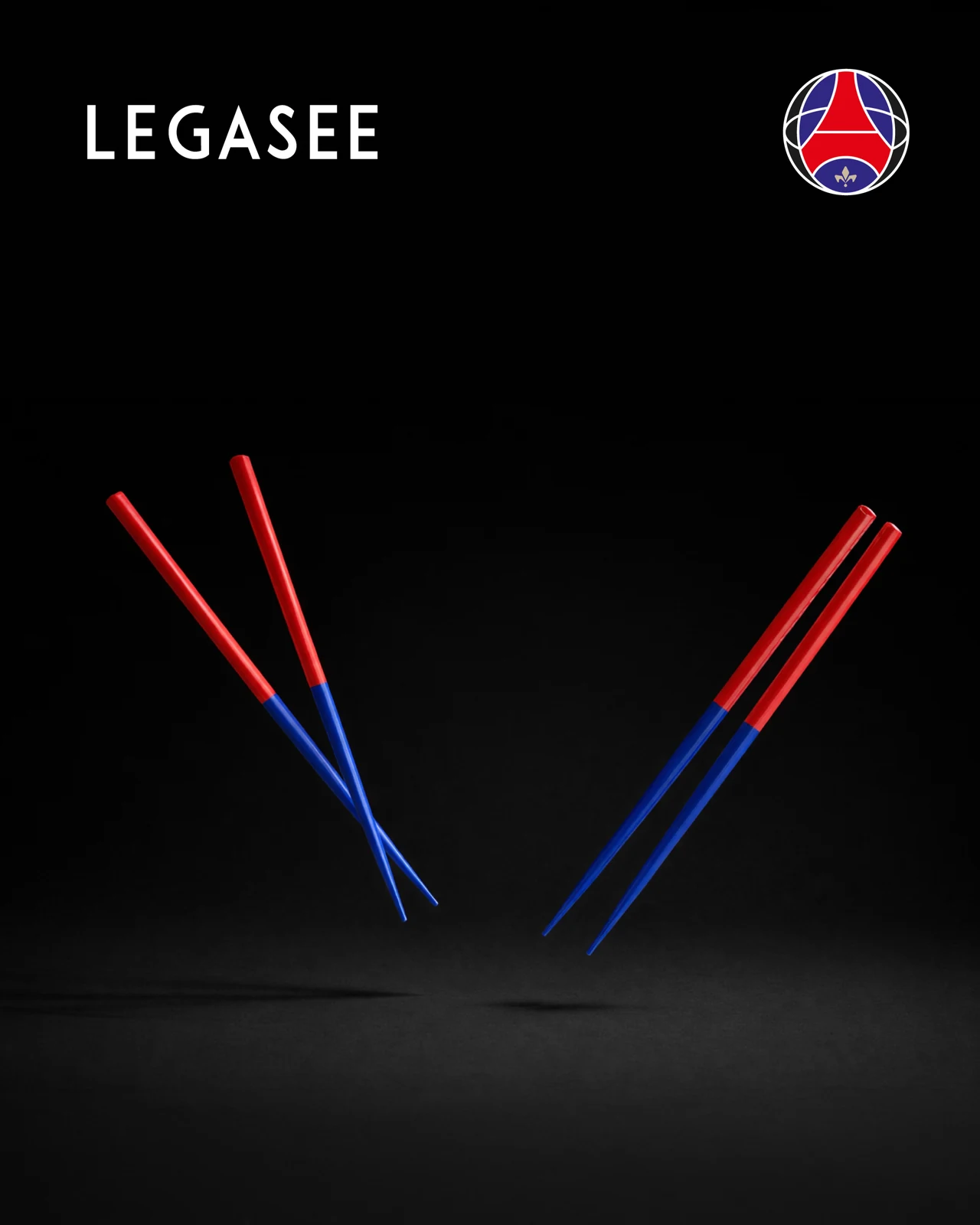
Images are illustrative. Colors and designs may be subject to change.
LEGASEE created these spoons and chopsticks with Kenyu Mitsuhashi, the 30th-generation inheritor of the Kamakura-bori craft tradition. The character of hand carving, the warmth of wood and an elegance that extends to the gestures of use bring the value of craft to every detail of the dining experience.
About Kiso lacquerware
Kiso lacquerware is a traditional craft with around 400 years of history, passed down mainly in Kiso-Hirasawa, Shiojiri, Nagano Prefecture. Believed to have begun in the early 17th century, it developed from applying lacquer to objects made from high-quality Kiso timber to enhance their durability and beauty. During the Edo period, the area prospered as a production center thanks to traffic along the Nakasendo route and the protection of the Owari Tokugawa family. In the early Meiji era, the discovery of sabi-tsuchi clay suitable for base coats enabled stronger, finer lacquerware. Known for gaining luster and character with use, the tradition continues in objects ranging from everyday utensils to furnishings.
About Kamakura-bori
Kamakura-bori is a traditional craft with around 800 years of history, centered on Kamakura, Kanagawa Prefecture. It is believed to have begun in the mid-13th century, when Buddhist sculptors, inspired by carved lacquerwork introduced from Song China alongside Zen Buddhism, carved patterns into wood and lacquered them to make Buddhist ritual objects. It later became established as a distinctively Japanese craft in the Muromachi period, gained popularity for tea utensils in the Edo period, and expanded into everyday goods and souvenirs from the Meiji era onward. Combining the shadows of carving, the depth of lacquer and the warmth of wood, it balances usefulness and beauty.
ICI C’EST PARIS LA MAISON TOKYO — Event overview
• Dates: May 2–5, 2026
• Venue: 19-3 Udagawacho, Shibuya, Tokyo
• Opening hours: 11:00–21:00
• Admission: Free (some activities require advance booking and have limited capacity)
Program details will be announced later on the dedicated website.
https://www.psg.fr/en/icp-tokyo-jp
Floor-by-floor overview
Ground floor (1F)
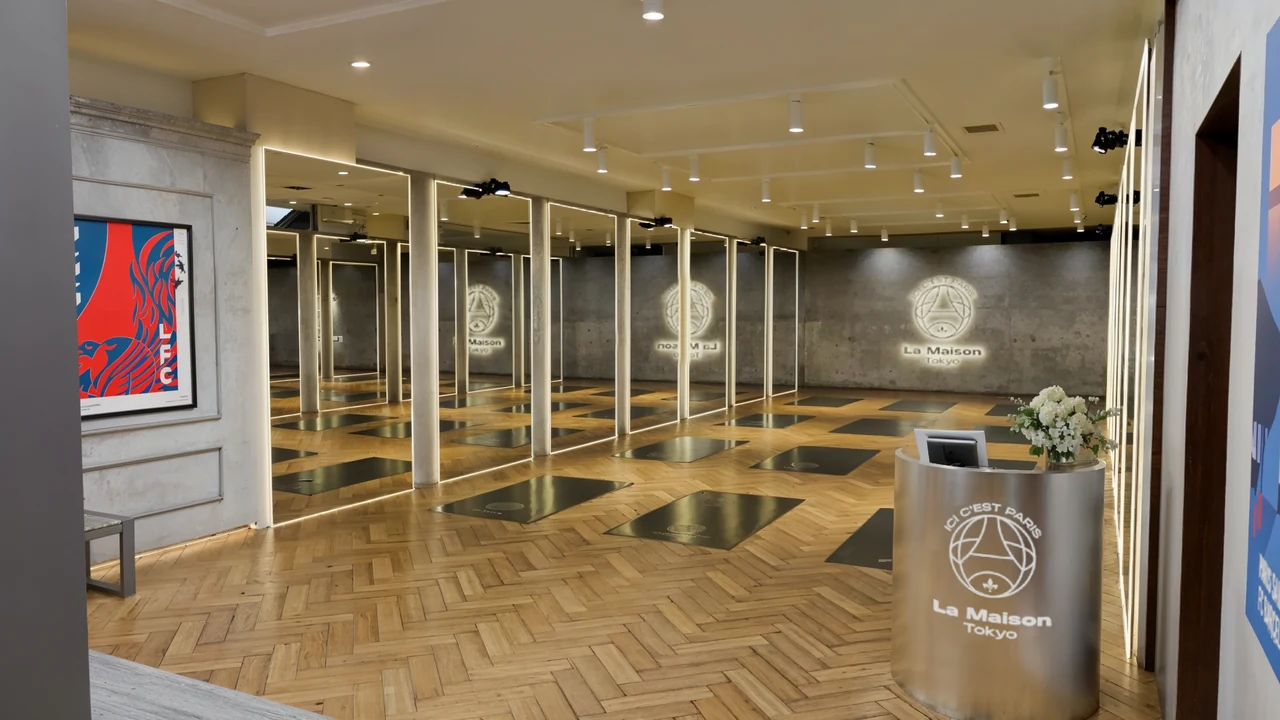
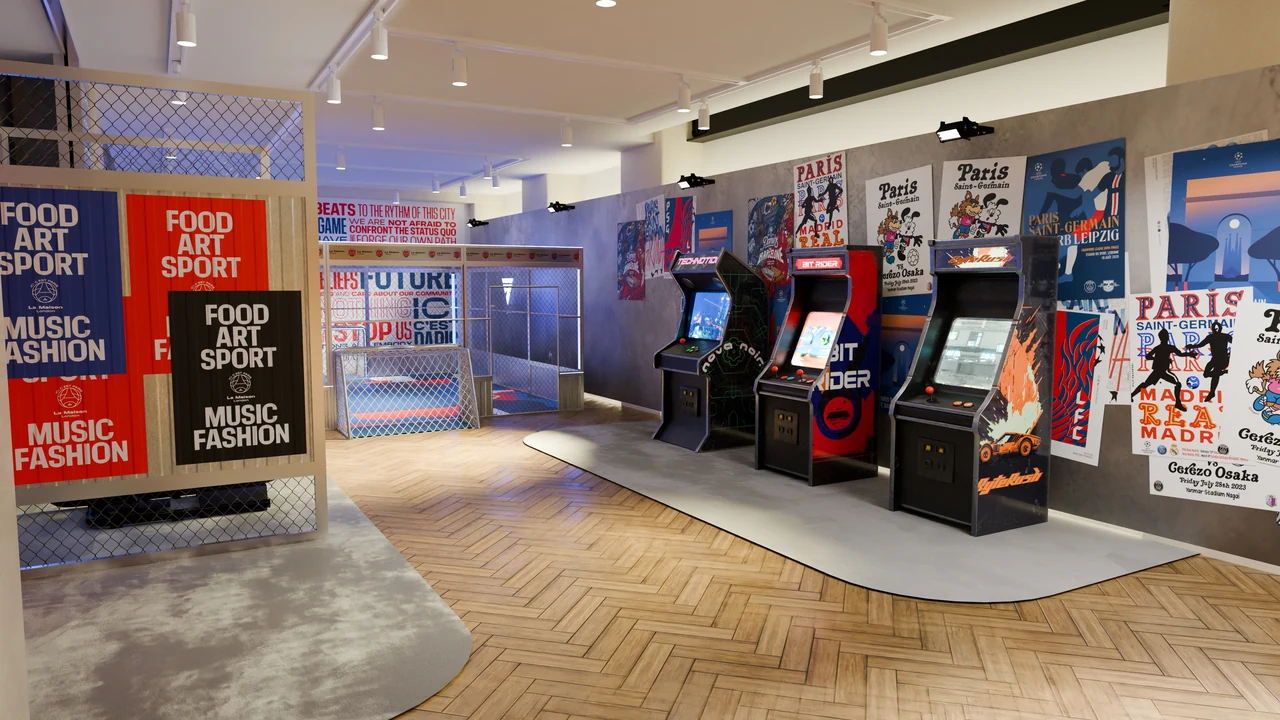
The ground floor offers a dynamic experience centered on movement and play. The Playground features a one-on-one football cage, a gaming area with multiple consoles and an F1 simulator. An adjoining Training Room offers experiences to align mind, body and spirit, including yoga, fitness and sound baths. A varied program also includes masterclasses, innovation sessions by PSG Labs and events open to the public.
Level 2 (2F)
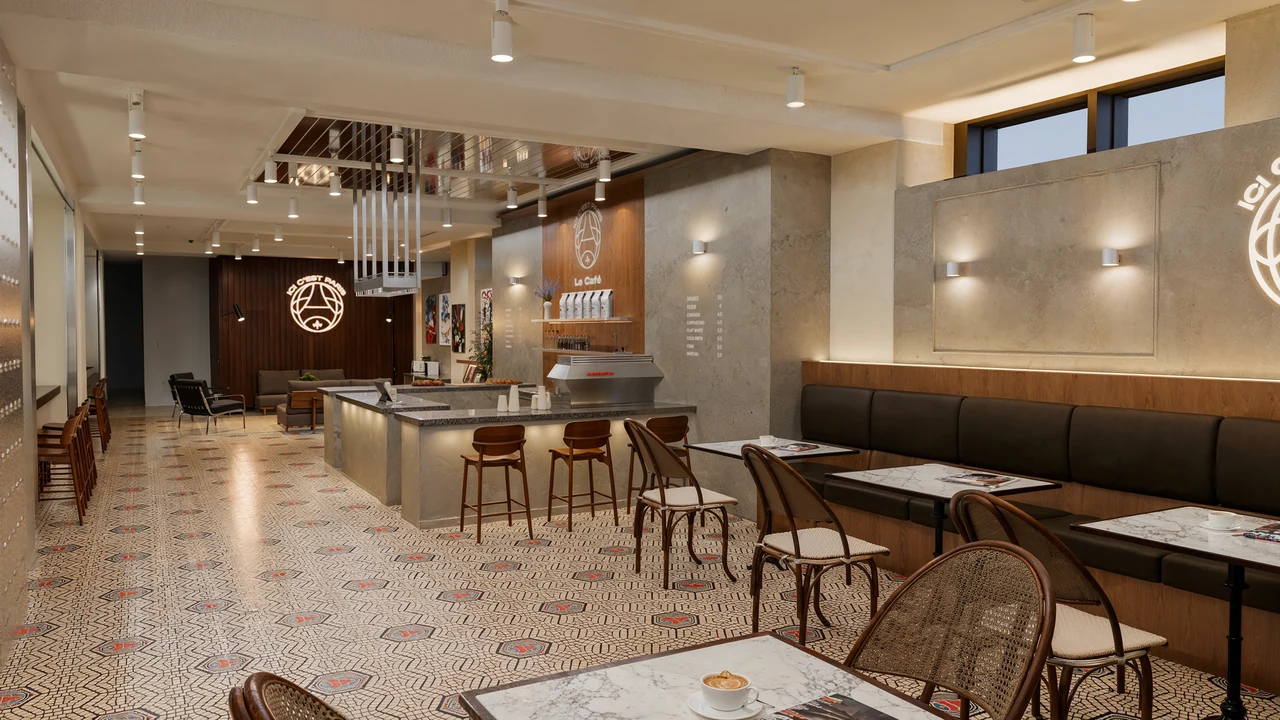
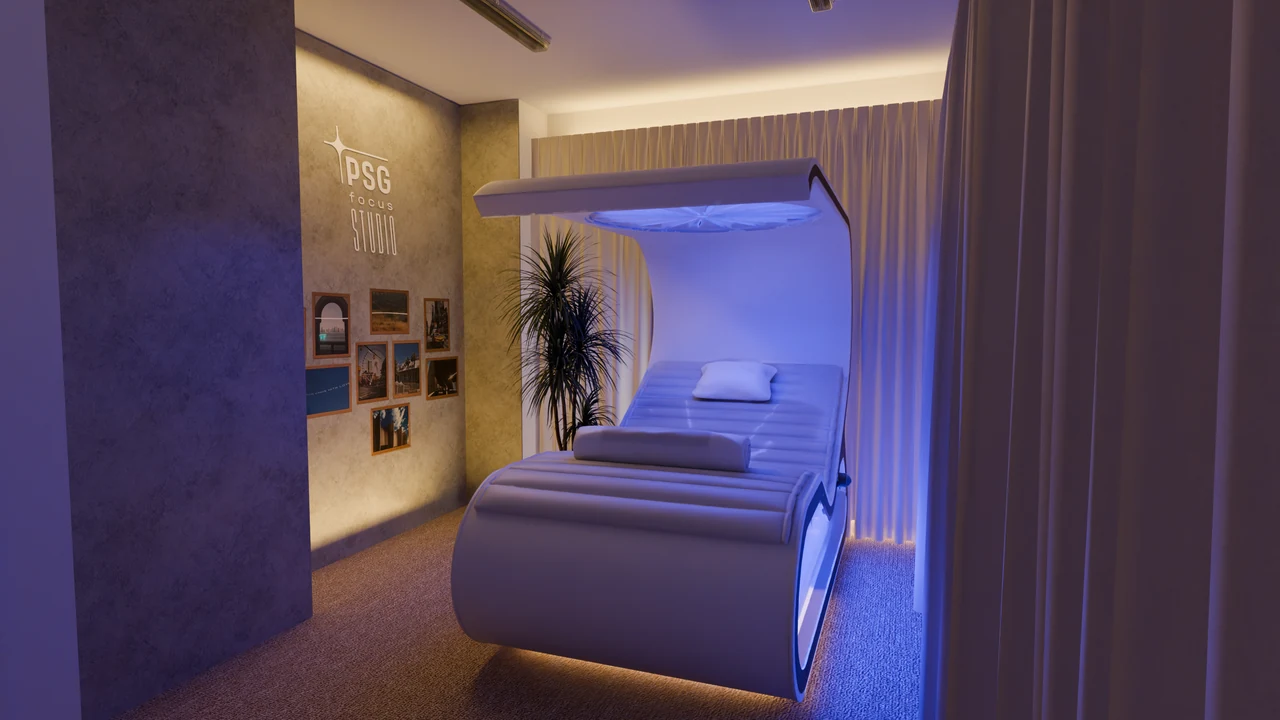
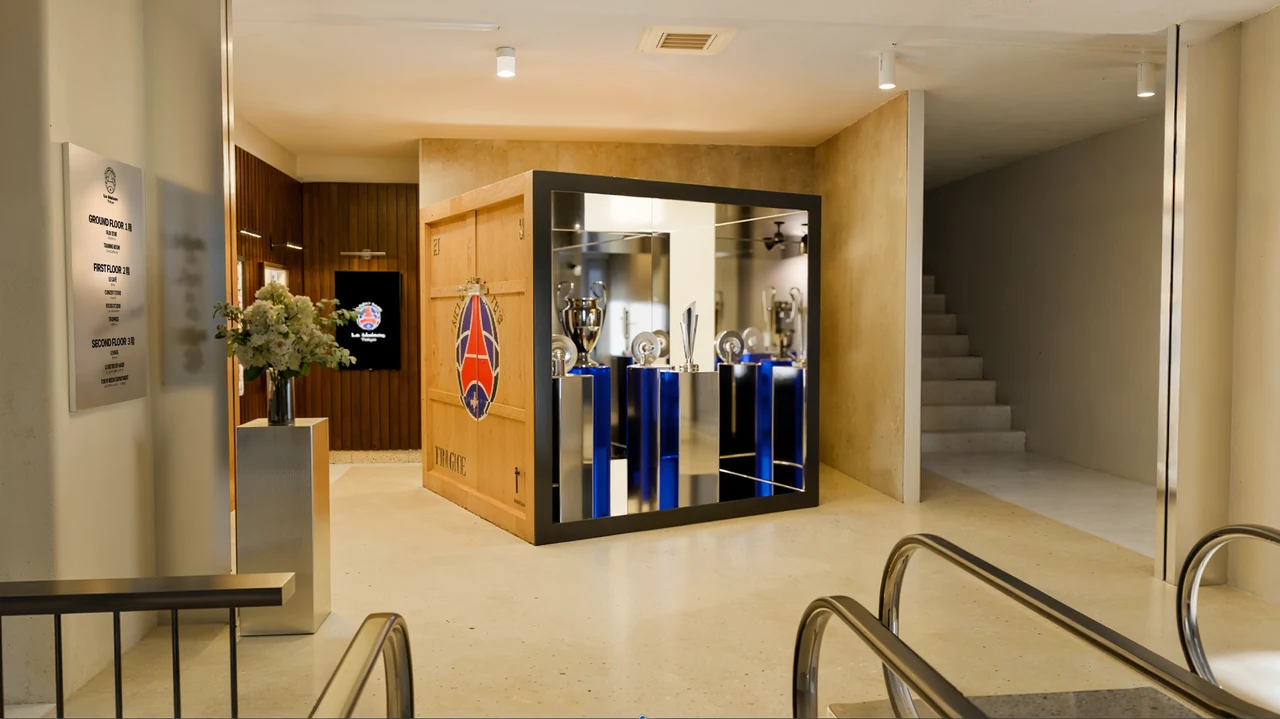
Level 2 embodies Parisian lifestyle and PSG’s creativity. At Ici C’est Paris Café, visitors can enjoy French food culture through collaborations with La Brûlerie de Belleville, a Paris coffee roaster with locations in Japan, and Maison Kayser. DJs and participatory events take place in the evening, with a changing daily program and different experiences by day and night. La Maison also hosts a concept store featuring limited collections and art collaborations that bring together French and Japanese talent, including BEY, NAKAKI PANTZ, EDIFICE, Needles and Pièces Uniques. In a customization space by Atelier La Pieuvre, visitors can create a unique item of their own. As in London, Focus Studio offers an immersive experience using Rebalance technology, also used by Paris Saint-Germain players, designed to support recovery, balance and well-being (by reservation). The club’s six trophies are also on display, creating a space to enjoy and take photos.
Level 3 (3F)
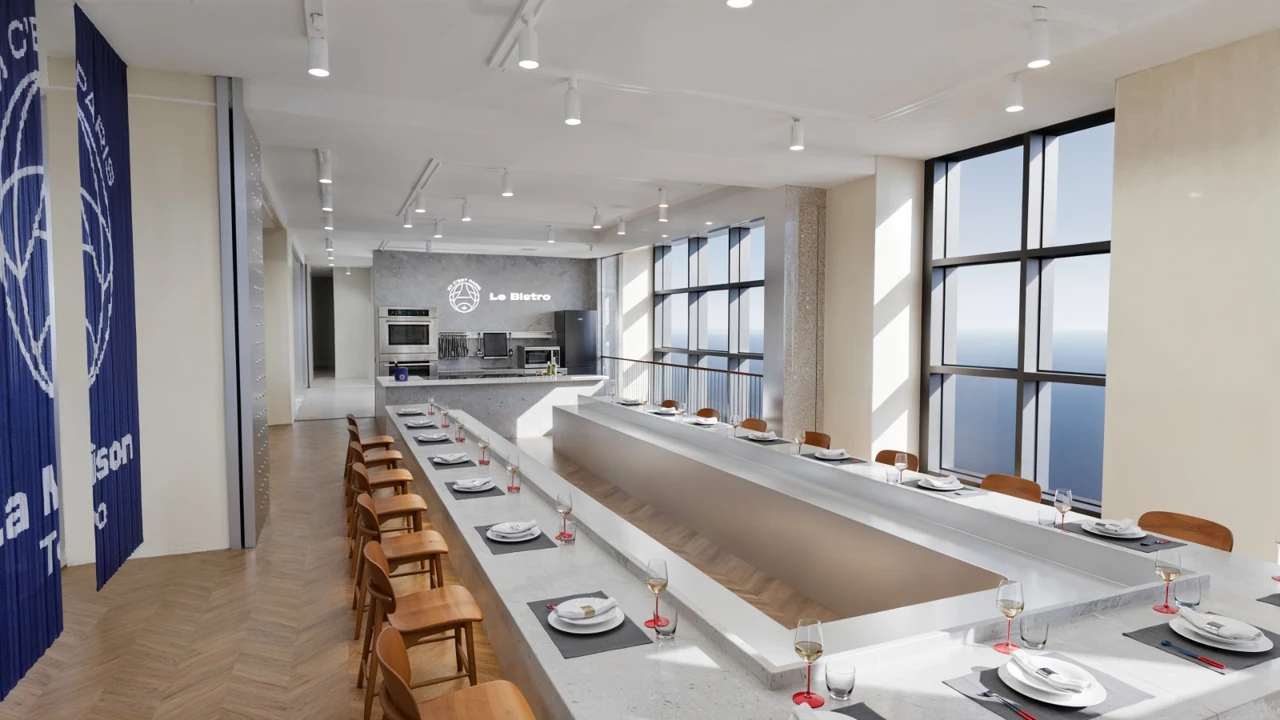
Level 3 offers a more refined experience, including a restaurant exploring the meeting of French and Japanese food cultures. Alongside a residency by the traditional Paris bistro Bistro Paul Bert, collaborations with Japanese chefs are planned. A lounge and sake bar complete a space designed to engage all five senses.
Based in Paris, PSG continues to grow as a brand that reaches beyond sport, crossing fields including fashion, music, art and gastronomy. This project shares PSG’s world through a dialogue with each city’s culture, while embodying the club’s commitment to expressing its Parisian DNA.